Next-generation plumbing approaches are shaping how underground utility projects proceed today. Teams look for tighter accuracy and smoother communication between planning phases to maintain steady progress. Services like https://www.vanriteplumbing.com/greenbay/ support modern coordination with reliable on-site clarity, offering approachable guidance for structured operations.
Modern Utility Project Planning
Modern planning begins with shared understanding across surveying and field crews, encouraging clear direction early. Clear early coordination helps reduce confusion once digging or routing starts, keeping actions aligned. Teams appreciate stable procedures that keep expectations aligned across shifting project timelines, reinforcing dependable collaboration.
Enhanced Underground Line Detection
Locating existing lines accurately reduces unwanted interruptions during project execution, allowing secure adjustments. Enhanced detection methods rely on unified mapping and consistent field checks to remain dependable.
- Ground markers guide precise digging paths
- Digital scanners verify existing pipe placement
- Crew communication prevents unnecessary overlaps on-site
- Documentation reduces confusion during transitions processes
These methods support safer movement while lowering delays around active areas, promoting coordinated timing. Workers can stay aware of surroundings and route decisions confidently without slowing progress. The result is smoother actions with fewer unexpected complications, making field adjustments easier.
Coordinated Trenchless Techniques
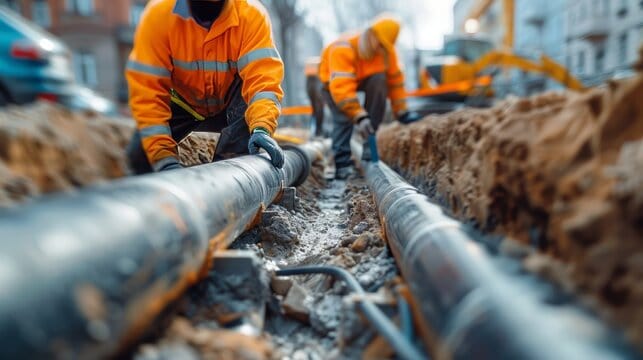
Trenchless techniques allow pipe adjustments with minimal surface disruption, maintaining site usability. Some teams reference sources like https://www.vanriteplumbing.com/greenbay/ when selecting dependable service partners, ensuring coordinated oversight.
- Directional drilling creates stable underground channels
- Pipe bursting replaces older lines cleanly
- Slip lining reinforces aging pipe interiors
- Specialized crews coordinate timing precisely on-site
Coordinated trenchless planning requires steady dialogue among multiple contributors for better outcomes. Each step relies on timing, accuracy, and clear position verification to avoid conflict. Well-managed scheduling keeps disruptions smaller and operations comfortably consistent across various project scopes.
Can Teams Learn Faster?
Crews often improve by reviewing recent project outcomes together and acknowledging different viewpoints. Shared reflection helps workers refine judgment and adapt methods that better suit conditions. When people feel heard, they respond with more precise coordination during crucial steps. Learning becomes faster when communication remains open and steady across the working group.
Is Smart Equipment Worth It?
Smart tools can offer data that guides confident routing decisions across changing layouts. However, teams still need training to interpret those readings correctly without hesitation. Value grows when equipment complements experience rather than replacing it entirely. The best approach blends insight from both human skill and measured indicators for balanced direction.
Refined Pipeline Joint Systems
Pipeline joint systems continue evolving to support durability and steady performance in underground networks. Crews evaluate materials, sealing approaches, and alignment accuracy before installation to avoid repairs later. Small adjustments here help long-term reliability once lines are fully connected and tested.
Future Focused Field Approaches
Future field practices will continue refining coordination across varied project stages with ongoing communication. Teams benefit when improved mapping aligns naturally with flexible deployment planning across projects. Steady collaboration supports productive work and smoother outcomes across each project.
About the Author